New CNCF Technology Radar Report Reveals How Platform Engineering Models Dictate AI Infrastructure Adoption and Developer Tooling Preferences

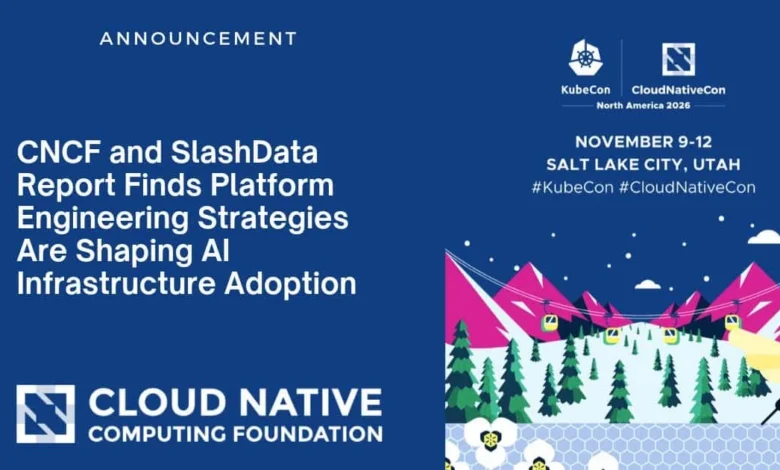
The Cloud Native Computing Foundation (CNCF) unveiled its Q3 2026 Technology Radar report at the KubeCon + CloudNativeCon North America conference in Salt Lake City, providing a definitive look at how organizational structure is shaping the integration of artificial intelligence into production environments. Produced in partnership with the developer analyst firm SlashData, the research highlights a striking correlation between platform engineering models and the strategies teams employ to manage AI-driven workloads. As organizations navigate the transition from experimental AI pilots to large-scale production, the report underscores a growing divide between centralized and distributed infrastructure management styles.
The data reveals that 54% of developers operating within independently managed, distributed tooling environments favor hybrid approaches to AI workflows. In stark contrast, only 5% of organizations that have invested in custom-built, centralized internal platforms report using such fragmented methods. This disparity suggests that the way a company organizes its engineering teams is not merely an administrative choice but a structural factor that determines the agility, consistency, and operational complexity of its AI infrastructure.
A Shifting Landscape in Cloud Native Evolution
The KubeCon + CloudNativeCon North America event serves as the primary bellwether for the cloud-native industry. Since the inception of the CNCF in 2015, the conference has evolved from a niche gathering of Kubernetes enthusiasts into the premier forum for global infrastructure strategy. The Q3 2026 report arrives at a pivotal moment, as the industry grapples with the "AI-native" paradigm—a phase where machine learning models are no longer peripheral applications but core components of the underlying stack.
The chronology of this shift can be traced back to the rapid proliferation of Generative AI in 2023. By 2024, the focus shifted toward "ModelOps," and by 2025, the challenge had transitioned to infrastructure reliability. The 2026 report now identifies that the next frontier is not just the AI model itself, but the platform engineering required to support it at scale. As organizations move beyond initial proofs of concept, the need for standardized observability and storage, as noted in the report, has become the primary barrier to sustainable AI growth.
Organizational Structure as a Determinant of Success
The most significant takeaway from the CNCF’s findings is the influence of "platform ownership" on infrastructure strategy. Centralized teams, which are typically charged with maintaining a single, unified developer experience, tend to favor singular, cohesive strategies—either by extending existing cloud-native platforms or by investing in dedicated, purpose-built AI infrastructure.
Conversely, distributed teams—where individual product squads often select their own tooling—show a much higher propensity for "hybrid" approaches. While this allows for rapid experimentation and team-level autonomy, it introduces significant operational debt. The report suggests that while distributed ownership promotes speed, it complicates the standardization necessary for enterprise-grade security and resource efficiency.
Chris Aniszczyk, CTO of the CNCF, emphasized the necessity of maturity in this environment. "Cloud native technologies are foundational to building and operating modern infrastructure, and AI is introducing new demands around scalability and reliability," Aniszczyk stated. "What this research reinforces is that platform engineering is playing a critical role in how organizations approach AI infrastructure. As teams move AI workloads into production, mature CNCF projects like Backstage, Prometheus, and OpenTelemetry provide the visibility and reliability needed to support complex environments."
Observability: The Bedrock of AI Reliability
As AI-driven systems grow in complexity, the ability to trace errors and monitor performance—observability—has moved to the forefront of developer priorities. The report confirms that the developer community has reached a high level of consensus regarding the "Adopt" category of tools.
Prometheus and OpenTelemetry continue to lead the pack. Prometheus remains the industry standard for monitoring, consistently earning top marks for its reliability in high-pressure production environments. OpenTelemetry has seen a surge in adoption due to its ability to provide vendor-agnostic instrumentation, which is critical for organizations that manage hybrid cloud AI environments. Other tools, including Fluent Bit for logging, Jaeger for distributed tracing, and Cortex for long-term storage, were also highlighted as high-confidence choices.
This trend reflects a broader industry movement toward "standardized telemetry." In an era where AI models often rely on complex, multi-stage pipelines, the ability to collect consistent data across different clusters is no longer a luxury—it is a production requirement.
Infrastructure as Code and the Storage Frontier
Beyond observability, the report provides a snapshot of the tools developers are trusting to manage the "plumbing" of AI infrastructure. Infrastructure as Code (IaC) remains a battleground for standardization, yet the report identifies clear leaders. OpenTofu and OpenFeature have secured "Adopt" positions, indicating that developers are seeking open-source alternatives to proprietary configuration management. Meanwhile, Crossplane and Atlantis remain in the "Trial" phase, suggesting that while they are gaining traction, they have not yet achieved the universal status of more established tools.
In the realm of storage, Carina has emerged as an "Adopt" priority, while stalwarts such as Rook and Longhorn continue to enjoy strong developer backing. The implication here is that storage is becoming increasingly "cloud native"—meaning it is designed specifically to exist within the ephemeral and scalable world of Kubernetes, rather than being retrofitted from legacy data centers.
Broader Implications for the Enterprise
The data presented by the CNCF and SlashData carries significant weight for CTOs and platform leads. As companies transition from the "hype phase" of AI to the "efficiency phase," the structural choices made today will define their ability to scale tomorrow.
The finding that distributed teams lead to hybrid, and potentially fragmented, AI infrastructure serves as a warning. While decentralization has long been championed as a way to increase developer velocity, the inherent complexity of AI—requiring specific GPU acceleration, specialized storage backends, and rigorous security protocols—may necessitate a return to more centralized platform standards.
Liam Bollmann-Dodd, principal market research consultant at SlashData, summarized the situation: "The data shows that how organizations structure their platform engineering teams has a meaningful relationship with how they approach AI infrastructure. Centralized teams tend to make deliberate decisions about extending existing platforms or building dedicated AI environments, while distributed teams are more likely to adopt hybrid approaches. This highlights how organizational structure can influence the complexity of supporting AI workloads in production."
Conclusion and Future Outlook
The Q3 2026 CNCF Technology Radar is not merely a list of trending software; it is a diagnostic tool for modern engineering organizations. The message is clear: as AI moves into production, the "wild west" era of tooling is drawing to a close. Organizations that fail to reconcile their platform engineering strategy with the specific, demanding requirements of AI workloads risk creating a fragmented, difficult-to-maintain environment.
The findings suggest that the future of enterprise AI lies in the ability to balance the flexibility of cloud-native development with the rigors of centralized infrastructure management. By leveraging mature, reliable CNCF-hosted projects, organizations can bridge the gap between AI ambition and production reality. For those looking to refine their strategies, the report offers a roadmap toward standardization, emphasizing that the most successful teams are those that prioritize visibility, consistent tooling, and structural clarity in their journey toward AI-enabled operations.
As the industry looks toward the next cycle of KubeCon events, the focus will likely shift further toward the automation of these platform engineering workflows. The integration of AI into the very tools that build and monitor AI—a "recursive" automation cycle—may well be the defining trend of 2027 and beyond. For now, the Q3 2026 report provides the necessary data-driven foundation for leaders to make informed decisions in a rapidly changing landscape.
Related posts: